




The human brain is not a fixed instrument, it’s a living symphony of connections, constantly reshaping itself in response to experience. Within this dynamic system, neuroplasticity serves as the silent conductor, rewiring neural pathways to create new channels of perception. In the realm of music artistry, this adaptability is especially powerful, giving rise to phenomena like synesthesia, where a sensory storm of colors, sounds, and emotions converge into one seamless experience.
The Science Behind Cross Activation
At the core of synesthetic perception lies cross activation, a neurological process where regions of the brain responsible for different senses, such as hearing and sight, communicate more actively than in most individuals. When this happens, the brain’s wiring becomes a canvas for creative fusion. A sound may trigger a color; a rhythm may generate shape or motion. These sensory overlaps allow artists to interpret music not just as sound, but as a visual and emotional landscape.
The Brain’s Dance of Blended Emotions
Within this neural ballet, blended emotions emerge, feelings that are as complex as the compositions that evoke them. Neuroplasticity enables the brain to adapt and reinforce these pathways over time, deepening the connection between perception and creation. The result is a kind of emotional layering unique to music artistry, where an artist might experience the crescendo of a symphony as a flood of crimson light or the resonance of a cello as an ocean of deep indigo calm.
When the Senses Collide: The Sensory Storm
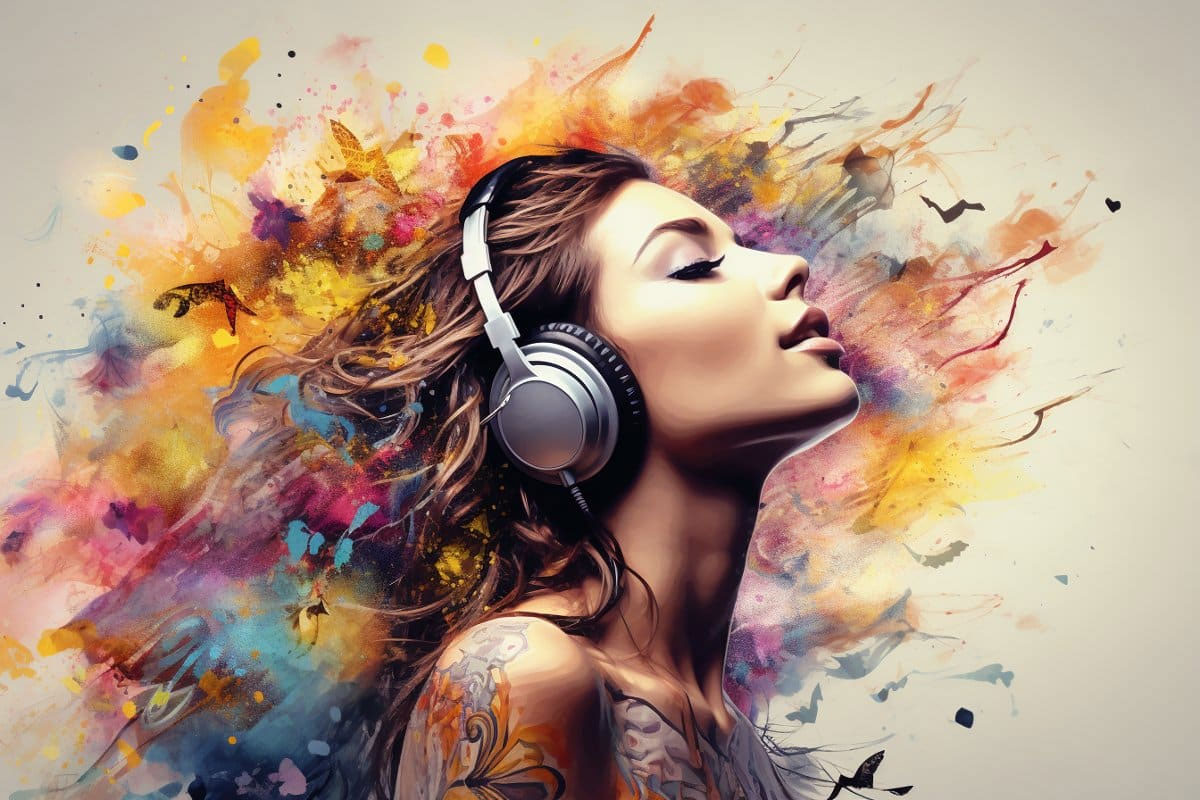
For a synesthetic artist, each creative session can feel like entering a sensory storm. It’s not chaos but a controlled eruption, an orchestration of colors, textures, and harmonics within the mind. This heightened neural responsiveness transforms the act of painting or composing into an immersive experience of total embodiment. Through neuroplasticity, the brain learns to sustain this state, blurring the distinction between external sound and internal imagery until they become one.
Rewiring the Creative Mind
The beauty of neuroplasticity lies in its limitless potential for transformation. The more an artist engages in sensory blending, the stronger these pathways become. Over time, the experience of auditory stimuli becomes richer, more textured, and emotionally nuanced. This neurological evolution not only enhances artistic output but expands self-awareness, revealing that creativity itself is a process of the brain learning to see beyond its boundaries.
In essence, the sensory storm is not a disruption but a doorway. It’s the mind’s way of translating vibration into vision, feeling into form. Through the elegant rewiring of the human brain, music artistry becomes both science and spirit, a living testament to our infinite capacity for reinvention and perception.