




The world of sound and color is more interconnected than we imagine. What if every note you hear sparked a vivid flash of color or shape in your mind? This fascinating neurological phenomenon, known as sound-to-color association, is at the heart of how musical paintings come to life. Through the brain’s intricate cross-wiring and sensory interplay, artists known as synesthetes translate auditory stimuli into visual dimensions that reveal the emotional texture of music.
The Brain’s Cross-Wiring and Auditory Translation
In people who experience synesthesia, the brain’s regions responsible for processing sound, color, and emotion are highly interconnected. This brain cross-wiring allows auditory stimuli to trigger color perception automatically. A violin’s high pitch may ignite flashes of silver or violet, while the steady rhythm of a bass might appear as pulsating waves of deep blue. These associations aren’t imagined, they’re real sensory experiences shaped by inter-connected brain regions that communicate beyond conventional boundaries.
Translating Music into Visual Dimension
For artists with chromesthesia, every sound holds a visual code. When translating music into a visual dimension, they become interpreters of a hidden sensory language. Each composition transforms into patterns of light, motion, and hue, forming a kind of emotional geography on canvas. A single song may inspire a full spectrum of visual sensations, capturing rhythm through line movement, harmony through layered tones, and melody through vibrant contrasts.
Synesthete’s Emotional Perception
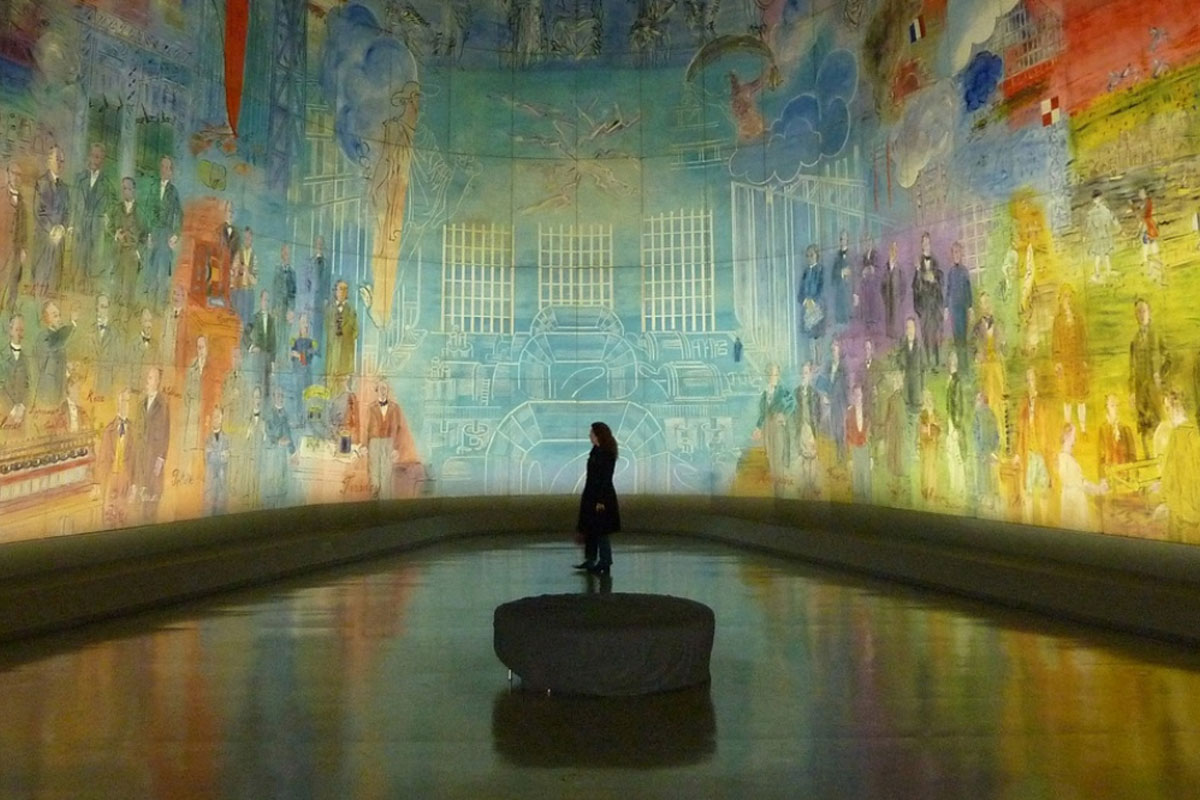
What makes these creations unique is their deeply emotional foundation. A synesthete doesn’t just paint what they hear; they paint what they feel through hearing. The art reflects the intimate bond between perception and emotion, a visual embodiment of how music speaks to the soul. Viewers often describe these paintings as “listening with their eyes,” as if they’re peering into the artist’s sensory world where color, emotion, and melody coexist seamlessly.
The Artistry of Neural Connection
Musical paintings born from sound-to-color association demonstrate how neuroplasticity expands creative potential. They remind us that art and science aren’t opposites but parallel languages expressing the same truth, the brain’s infinite capacity for connection. Through the lens of neuroscience and artistry, every stroke becomes a translation of thought, every hue a note of emotional resonance, and every composition a bridge between sensory worlds.
In essence, these paintings are living testimonies of how auditory stimuli can be transformed into visible emotion, turning neurological phenomena into masterpieces that invite us to experience music in the mind’s eye.