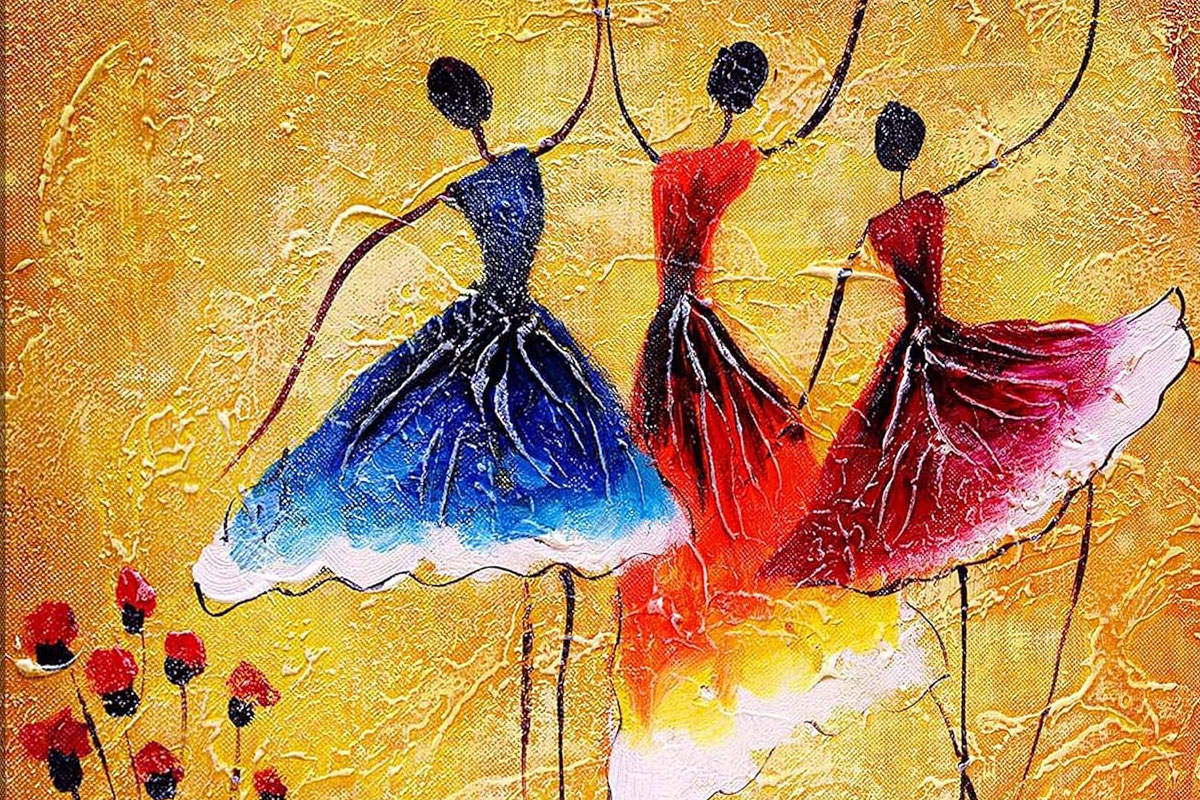


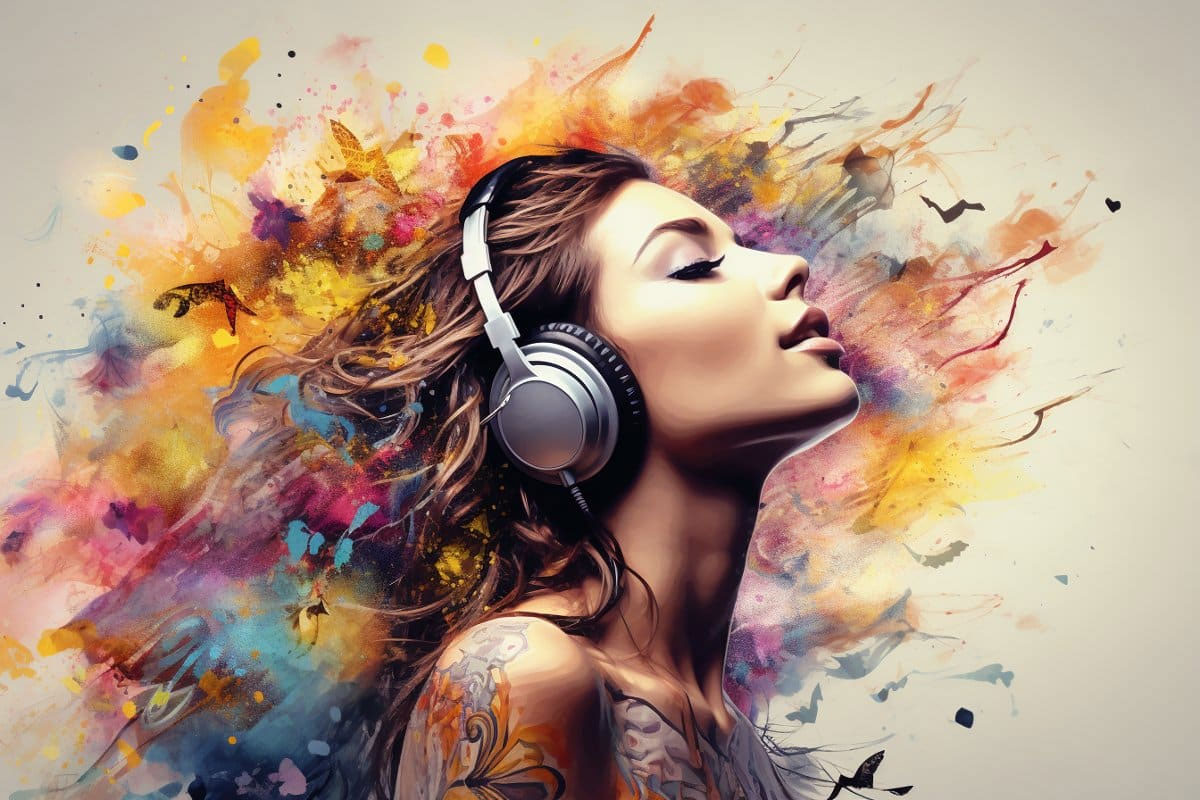
Music and visual art have always shared a deep connection, but in recent years, the concept of create painting from melody, music transformed into art has gained growing interest among artists, creatives, and even scientists. This fascinating approach explores how sound can be interpreted visually, allowing melodies, rhythms, and harmonies to inspire colors, shapes, and textures on a canvas.
The Concept of Turning Sound into Visual Expression
The idea of transforming music into visual art is rooted in a sensory phenomenon known as chromesthesia, a form of synesthesia where sounds evoke the perception of colors. Artists who experience this or intentionally explore it often describe seeing colors, patterns, or movements when they hear music.
By using this concept, creators can create painting from melody by translating musical elements into artistic elements:
- High-pitched notes may become bright or lighter colors
- Deep bass tones may translate into darker shades
- Fast rhythms can inspire sharp lines or dynamic brush strokes
- Soft melodies may lead to smooth gradients and subtle transitions
This process allows music to guide the artistic composition rather than relying solely on visual imagination.
Music as a Source of Artistic Inspiration
Music has always influenced creativity, but transforming it directly into visual form takes inspiration to another level. When artists focus on music transformed into art, they are not simply listening—they are interpreting.
Each piece of music carries emotion, tempo, and structure. These elements can be mapped into visual components:
- Tempo → movement and spacing in the artwork
- Harmony → color combinations and balance
- Rhythm → repetition of shapes or patterns
- Emotion → overall tone and atmosphere of the painting
This method creates deeply personal artwork that reflects both the artist’s perception and the essence of the music itself.
Techniques Used in Music-to-Art Transformation
Artists use various techniques to bring music into visual form:
- Freehand Painting: Painting intuitively while listening to music
- Color Mapping: Assigning specific colors to musical notes or instruments
- Digital Visualization: Using software to convert audio frequencies into visual patterns
- Abstract Expressionism: Allowing emotions from music to guide abstract compositions
Each technique offers a unique way to interpret sound, making every artwork distinct and expressive.
The Role of Chromesthesia in Creative Art
Chromesthesia plays a significant role in understanding how create painting from melody, music transformed into art works on a deeper level. Individuals who experience this condition naturally associate sounds with colors, making their artistic process highly intuitive.
Organizations and platforms like Chromesthesia Color Hearing explore and support this intersection of sensory experience and artistic creation. By studying how people perceive sound and color together, they help bridge the gap between neuroscience, creativity, and visual expression.
Why This Form of Art Matters
Transforming music into visual art is more than just a creative exercise—it’s a new way of experiencing both mediums. It allows artists and audiences to:
- Explore emotions in a multi-sensory way
- Develop unique artistic styles
- Connect sound and vision in meaningful ways
- Appreciate music beyond auditory perception
This approach also opens doors for innovation in design, education, therapy, and digital media.
Final Thoughts
The concept of create painting from melody, music transformed into art represents a powerful fusion of sound and sight. By interpreting music visually, artists can produce expressive, abstract, and deeply personal works that capture the essence of what they hear.