





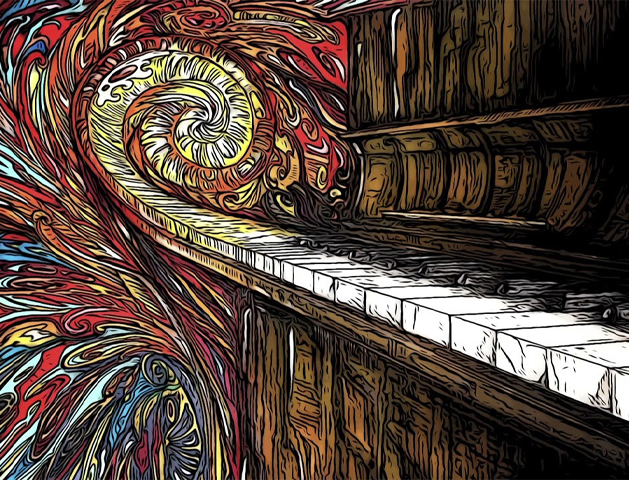
Art and music have always shared a deep connection, but today innovative creators are blending the two in entirely new ways. The Boston artistic sound experience is redefining how people engage with creativity by allowing participants to create painting from classical music, transforming melodies into vibrant visual art. This unique fusion of sound and sight invites audiences to explore their emotions and imagination in a powerful, immersive way.
What Is the Boston Artistic Sound Experience?
The Boston artistic sound experience is an interactive event concept that brings together musicians, visual artists, and participants in a shared creative space. Instead of passively listening to music or simply observing art, attendees become active creators. As classical music fills the room, individuals use color, texture, and movement to express what they hear and feel.
This experience is rooted in the idea that sound can influence perception, mood, and creativity. Each musical note, tempo change, or emotional swell in the music inspires a new brushstroke, pattern, or palette choice. It’s not about artistic perfection—it’s about emotional expression and discovery.
How to Create Painting from Classical Music
To create painting from classical music, participants are encouraged to let go of expectations and trust their instincts. The process usually begins with selecting a classical piece—such as a Beethoven symphony or a Chopin nocturne—that resonates emotionally.
As the music plays, participants respond to:
- Rhythm: Fast tempos may lead to bold strokes or dynamic splashes of color.
- Melody: Gentle melodies might inspire soft gradients or flowing shapes.
- Emotion: Joy, tension, or calmness in the music is reflected visually on the canvas.
The goal is not to replicate the music literally but to translate its emotional impact into art. This approach allows anyone, regardless of skill level, to experience the joy of creative expression.
Why This Experience Is So Powerful
The Boston artistic sound experience appeals to a wide range of people—artists, musicians, therapists, and those simply looking for a unique way to unwind. Combining music with painting stimulates multiple senses at once, encouraging mindfulness and emotional awareness.
Participants often describe the process as therapeutic. By letting classical music guide their creative flow, they feel more relaxed, inspired, and connected to the art they produce. For many, it’s the first time they realize they can create painting from classical music without fear of judgment or technical limitations.
A New Way to Connect with Art
This innovative approach to creativity fosters community as well. Attendees share their artwork, discuss how different pieces of music influenced their choices, and gain insight into how others interpret the same sounds. No two paintings are ever the same, even when inspired by the same composition—highlighting the deeply personal nature of the experience.
Conclusion
The Boston artistic sound experience is more than an event—it’s a movement that celebrates the harmony between sound and visual art. By allowing participants to create painting from classical music, it opens the door to a new form of self-expression that is immersive, emotional, and unforgettable.
Whether you are an experienced artist or someone who has never picked up a paintbrush, this experience proves that creativity lives within everyone. All it takes is a beautiful piece of classical music, an open mind, and the willingness to let sound become art.